AssetWise Partners with Little Big Green to Launch New Waste Separation Project 'Separate Bin Together'
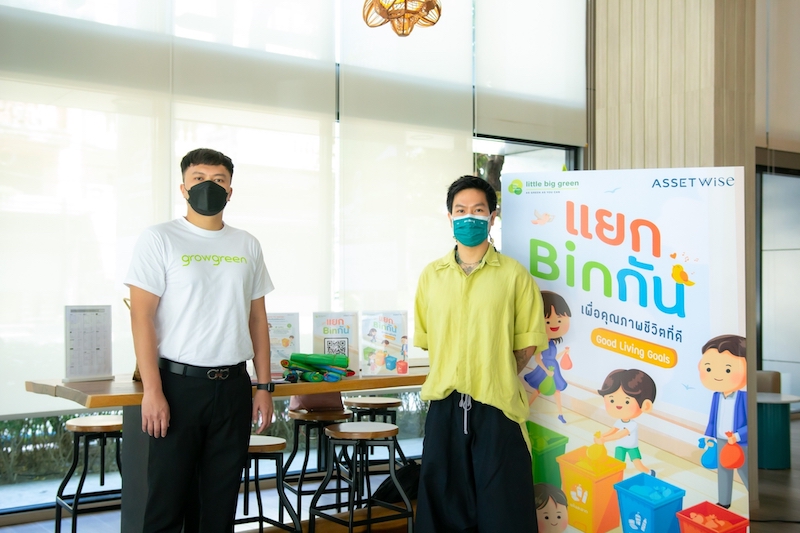
AssetWise is advancing its GrowGreen initiative by collaborating with Little Big Green to launch the 'Separate Bin Together' project, a new waste separation method designed to help residents understand and effectively separate waste. The pilot program will take place at Atmoz Ladprao 71 before expanding to other projects.
Mr. Kramchad Wiphanpong, CEO of AssetWise Public Company Limited (ASW), a property developer focused on enhancing living happiness, stated that according to the Pollution Control Department, Thailand generated 27.35 million tons of municipal waste in 2020, with only 11.19 million tons disposed of correctly and 4.23 million tons improperly disposed. The COVID-19 pandemic has led many people to stay at home more, resulting in a tendency to dispose of waste as a mixed batch due to a lack of understanding of proper waste separation and limited convenience for sorting. However, if waste is separated correctly, it increases the chances of recycling certain types of waste for reuse.
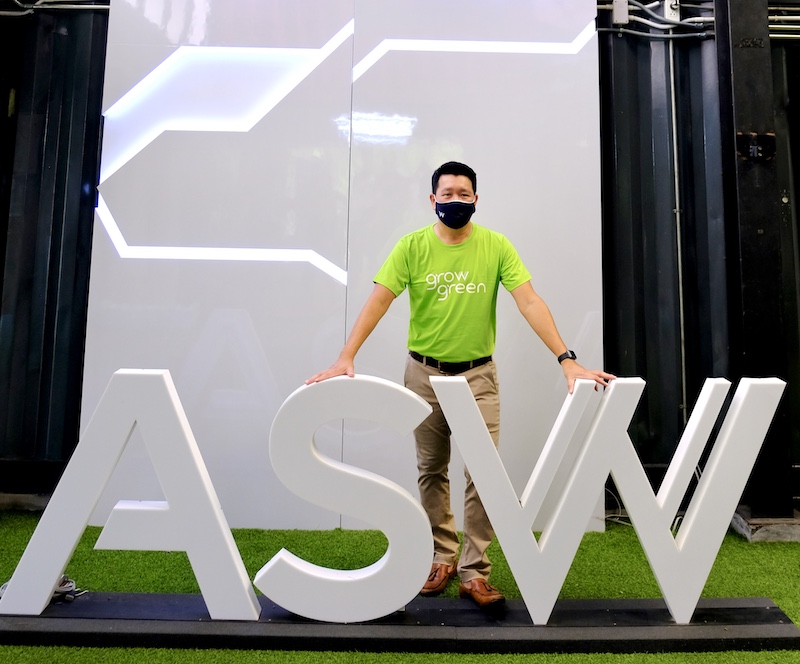
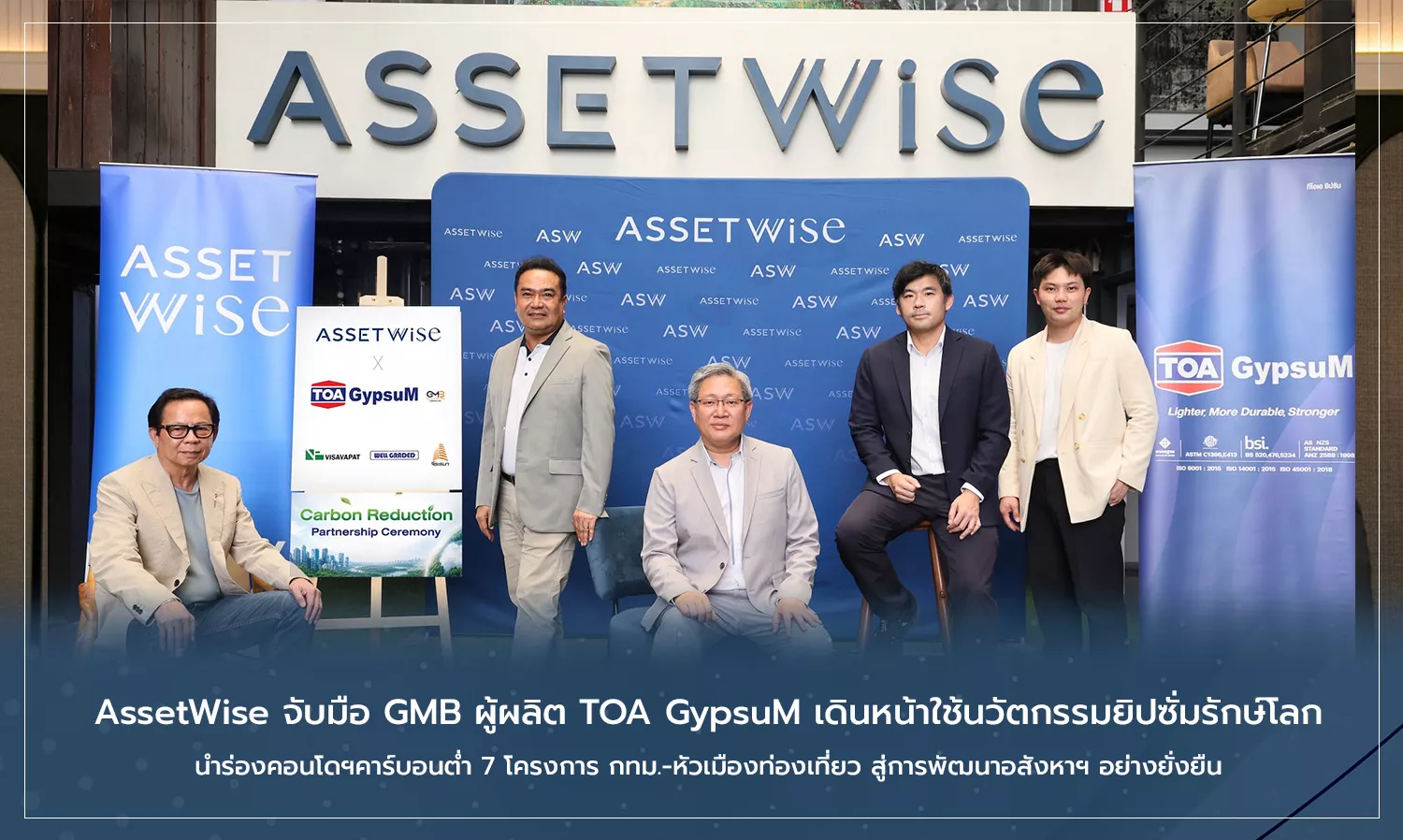
Mr. Kramchad Wiphanpong, CEO of AssetWise Public Company Limited (ASW)
AssetWise recognizes the importance of environmental conservation under the 'GrowGreen' concept, which is currently being implemented. Therefore, it has partnered with Little Big Green, a community of environmentally conscious individuals promoting a green lifestyle under the concept AS GREEN AS YOU CAN, to create the 'Separate Bin Together' project. This initiative introduces a new waste separation method that helps residents understand and separate waste more effectively.
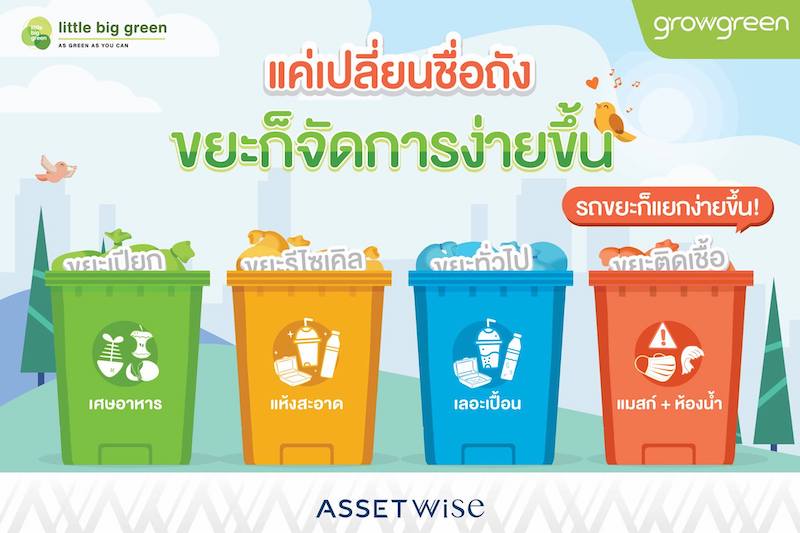
The key idea behind the 'Separate Bin Together' project is to rename waste bins to make them easier to understand, facilitating better waste separation with a focus on recycling. AssetWise has begun implementing this new separation method at Atmoz Ladprao 71, providing residents with color-coded trash bags for free to encourage waste separation right from their units, allowing them to dispose of waste easily according to the color of the bags.
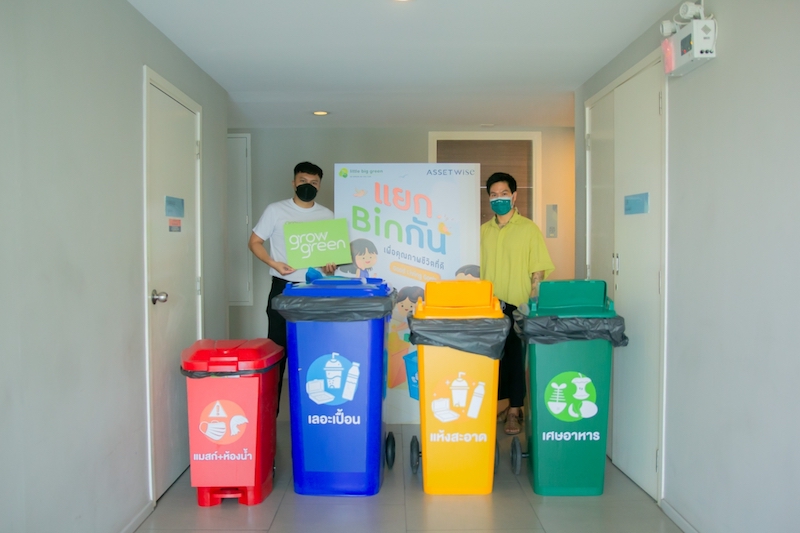
AssetWise has renamed and color-coded various waste bins according to the new separation method, including:
1. Food Waste Bin: Green Bin for food scraps only, excluding containers, which can be composted.
2. Clean Dry Waste Bin: Yellow Bin for clean, dry waste such as plastic bottles, paper, or glass bottles, which must be clean and dry before disposal to prevent spoilage and allow for recycling.
3. Contaminated Waste Bin: Blue Bin for waste that is soiled and cannot be cleaned, such as food containers, which are typically non-recyclable and will be sent for further waste management.
4. Infectious Waste + Bathroom Bin: Red Bin for infectious or potentially infectious waste, including bathroom waste like masks or toilet paper, to enhance waste management efficiency and reduce infection risks during collection and disposal.
Mr. Kramchad further stated, "Since we started this initiative, we have received positive feedback from property management, residents, and housekeepers within the project, with improved quality in waste separation. In the future, AssetWise plans to implement this project across all developments to achieve sustainable waste management. We believe that improving the environment requires everyone's cooperation, and we hope this project will contribute to making our world a better place."